
Stress has a way of creeping into a travel plan somewhere between booking that first flight and actually boarding it. It can run like a low-level buzz of uncertainty in the background of the whole trip. Many people experience the anxiety of not being able to locate a confirmation email or find themselves trying to restructure a budget that didn’t account for certain fees along the way. Perhaps there’s even a packing list that technically existed but just wasn’t well thought through.
If you have an upcoming trip and want to avoid the hassle that comes with being almost-but-not-quite prepared, modern travel has everything you need. We’re talking about a handful of digital tools specifically designed to make travel planning easier, covering everything from itinerary management and flight research to budget tracking and packing.
1. TripIt: One Screen for Every Booking
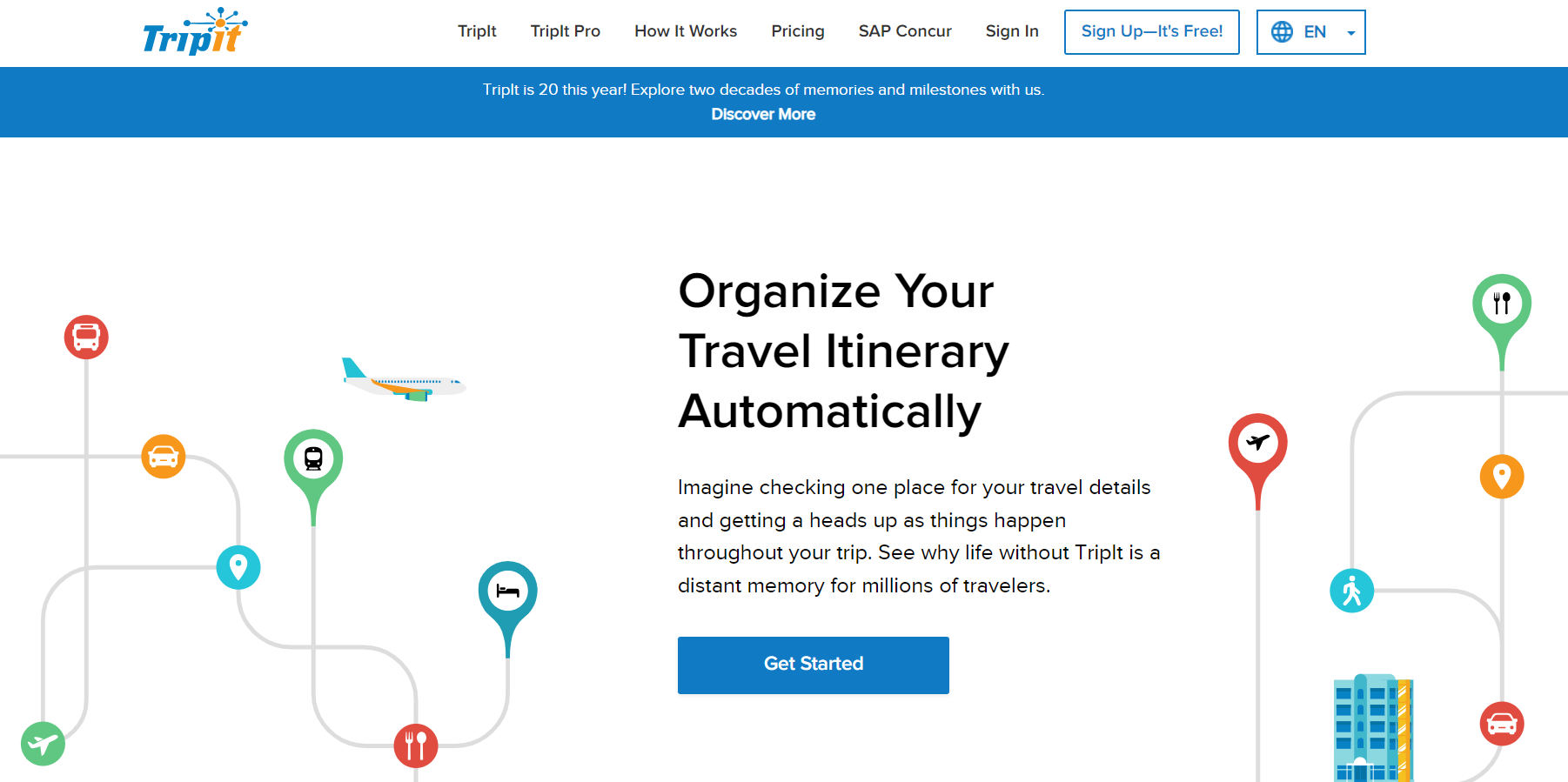
Most travelers are organized to some degree. They’ve made the reservations and received the confirmations. They have a hotel booking in one email thread, a flight confirmation in another, and they’re sure they booked a car rental via an app which is stored somewhere on their phone.
TripIt takes the multiple locations of trip details and sets all the confirmations in a single chronological itinerary.
The process is straightforward. All you have to do is forward your booking emails for flights, hotels, car rentals, or restaurant reservations, and the app builds a clean timeline automatically. There’s no need for manual entry, no copy-pasting, and no reformatting. Everything is accessible offline and updates in real time when plans change.
This can be very useful most mid-trip, when your attention should be on the experience rather than your inbox. TripIt can read confirmations in English, French, German, and Japanese, and also provide safety ratings of over 30,000 neighborhoods worldwide through a partnership with GeoSure.
It’s worth noting that apps like TripIt only deliver on their promise when you have a reliable connection. Traveling with an international eSIM means your itinerary is accessible the moment you land, without scrambling for airport Wi-Fi or waiting until you’ve checked in somewhere.
2. Google Travel: Smarter Research Before You Book
The research phase of trip planning is where decision fatigue tends to set in. You’re bound to have multiple browser tabs open and multiple price comparisons underway. Of course, travel websites have a way of presenting fluctuating prices. For instance, a reasonably priced flight on Monday could cost $100 more by Wednesday. Google Travel brings the research process into a single ecosystem, connecting Google Flights, Google Hotels, and Google Maps so that everything you’re considering stays visible and organized.
The price tracking feature is particularly practical. Rather than checking manually every few days, you can set alerts on a specific route and let the tool notify you when costs shift. According to CNET, Google Flights works like a massive data-driven cheat sheet that helps you get the lowest prices available. It analyzes years of historical trends and the exact times when plane ticket prices are lowest.
For travelers with flexible dates, the calendar view shows fare differences across an entire month at a glance, which can change what you decide to book. This tool earns its place in the planning process by helping you make better decisions before you commit to anything.
3. Splitwise: Spending Visibility Without the Mental Load
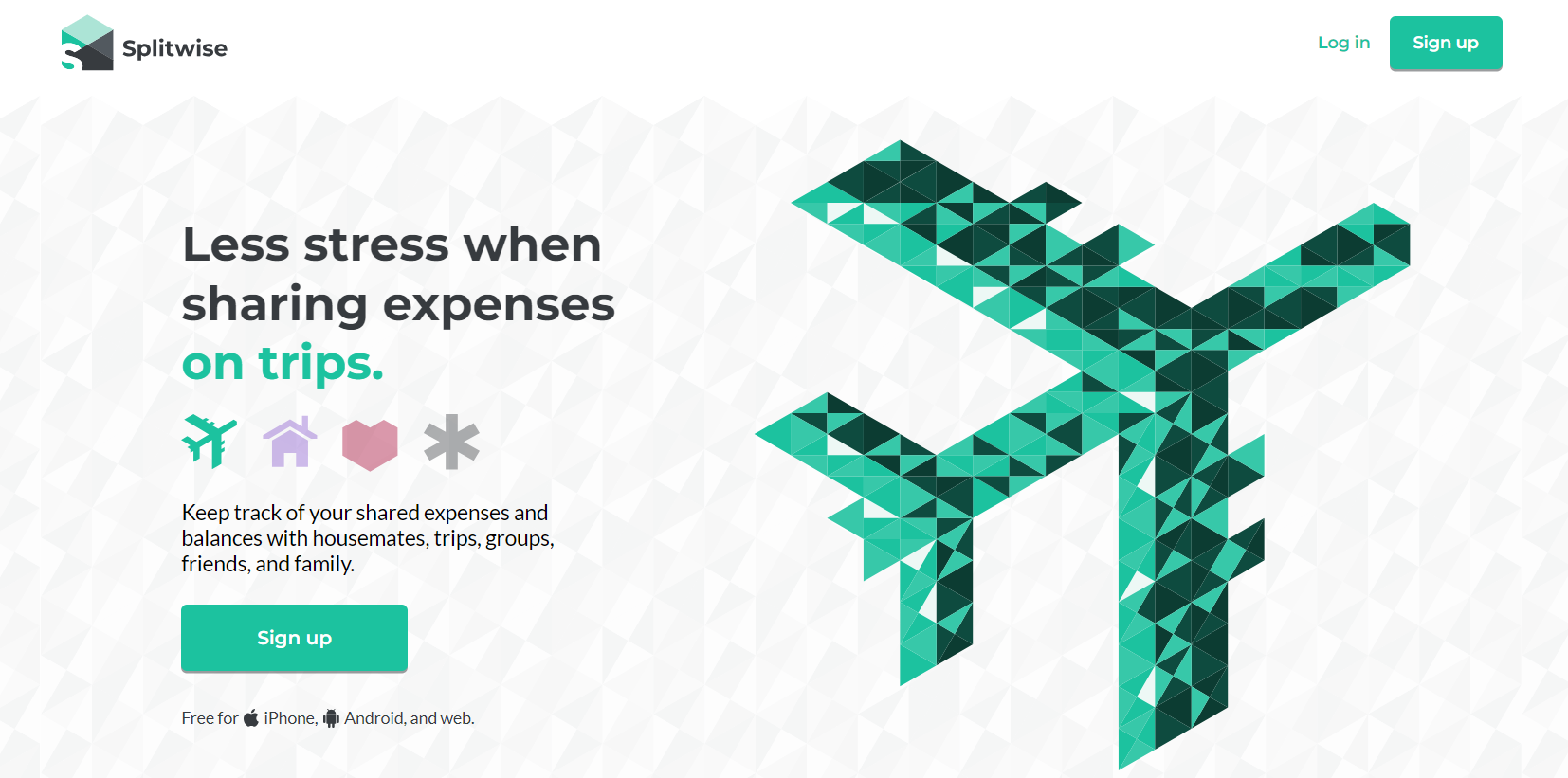
Travel spending can sometimes get a little out of hand, especially if you’re excited to let your hair down when you arrive at your destination. A few meals out, a spontaneous excursion, and some airport shopping on the way home, and suddenly the budget you created looks nothing like the trip you actually took. Splitwise addresses this by giving you real-time visibility into where money is going throughout the trip, rather than a reckoning at the end of it.
Splitwise first started out as SplitTheRent in 2011 to handle shared roommate costs, but its functionality made it popular for group travel, and so the company diversified. For group and couples travel, it handles shared expenses cleanly. Log a cost, assign it to the relevant people, and the app calculates who owes what without anyone having to keep a running tally in their head. It removes one of the less enjoyable features of traveling with others, which is undoubtedly the end-of-trip financial conversation where no one is quite sure who covered what.
Solo travelers benefit equally, as it can be used as a simple spending tracker with category budgets. This app makes it easy to see whether you’re on pace or whether tomorrow’s plans need a minor (or major) adjustment.
4. Notion: A Travel Hub You Design Yourself
Purpose-built travel apps make assumptions about how you plan, but Notion doesn’t. It’s a flexible workspace that lets you build whatever structure actually reflects the way your brain organizes information. You can have pages for each destination, tables for bookings, lists of restaurants, notes on local transport, and even a running log of things to do if the weather turns.
What makes this particularly useful for travel is that everything stays connected. Adjusting one part of a plan doesn’t mean losing track of another. For couples or groups, shared editing means everyone is looking at the same version of the itinerary rather than an outdated copy someone screenshotted two weeks ago.
5. PackPoint: A Packing List That Thinks Ahead
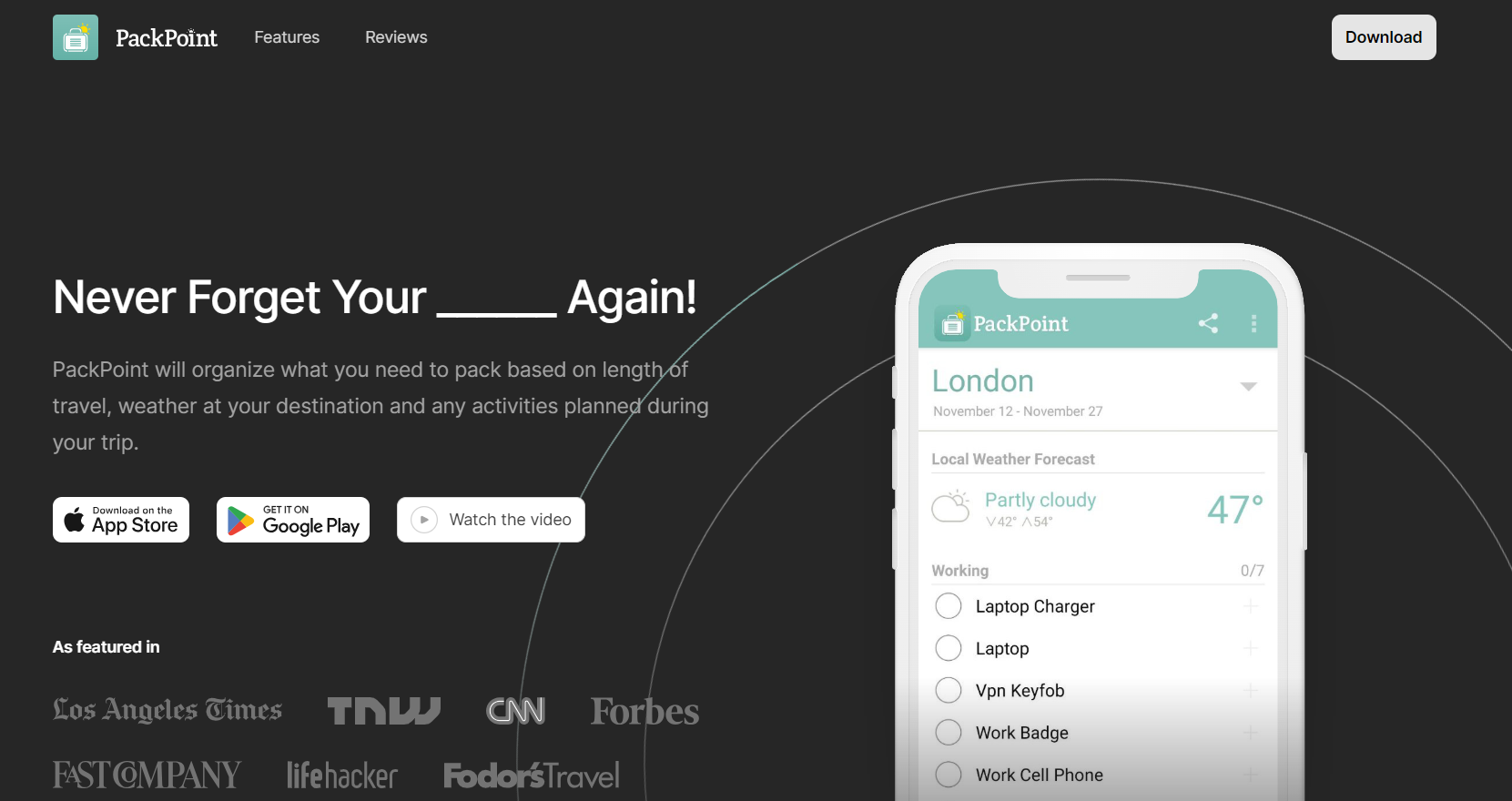
Packing from memory is how things get left behind. It’s also how you end up with a bag full of items you never used, because you packed for a version of the trip that didn’t quite match what you were actually going to do. PackPoint approaches this differently by generating a packing list based on the specific details of each trip, including destination, travel dates, expected weather, planned activities, and whether you’ll have access to laundry.
The result is a list that reflects the trip you’re actually taking rather than a generic template recycled from the last one. For travel with varied activities or unpredictable climates, this can be very useful.
Creating a Digital Travel System That Works for You
Dutch researchers found that planning a trip can create greater feelings of happiness than actually going on the trip. If that’s true, why not make certain that your planning endeavors are as stress-free as possible by using the right tools?
Each of these tools handles a distinct part of the planning process. Google Travel supports better research and booking decisions. TripIt stores confirmed plans in one accessible place. Splitwise tracks spending as it happens. Notion keeps everything flexible and connected. PackPoint makes sure you leave home with what you actually need.
While they’re great as standalone digital solutions, the real value comes from using them together. When you plan well, that low-level buzz of uncertainty tends to go quiet well before you reach the boarding gate.