
For outside sales teams managing territory routes, customer visits, and real-time field execution, a dedicated field sales CRM has become essential infrastructure rather than optional technology. The global CRM market is projected to reach $163.16 billion by 2030, with field sales software experiencing particularly rapid growth in North America driven by demand for mobile execution and data connectivity. Solutions like SimplyDepo have emerged specifically to address the unique challenges of B2B distribution and field sales teams, offering intuitive interfaces and rapid deployment designed for wholesale and CPG environments.
This comprehensive guide examines how distributors, brands, and field sales organizations can select and implement the right field sales CRM to drive productivity, improve visit compliance, and gain competitive advantage in wholesale and CPG markets.
What is a Field Sales CRM?
Core Definition
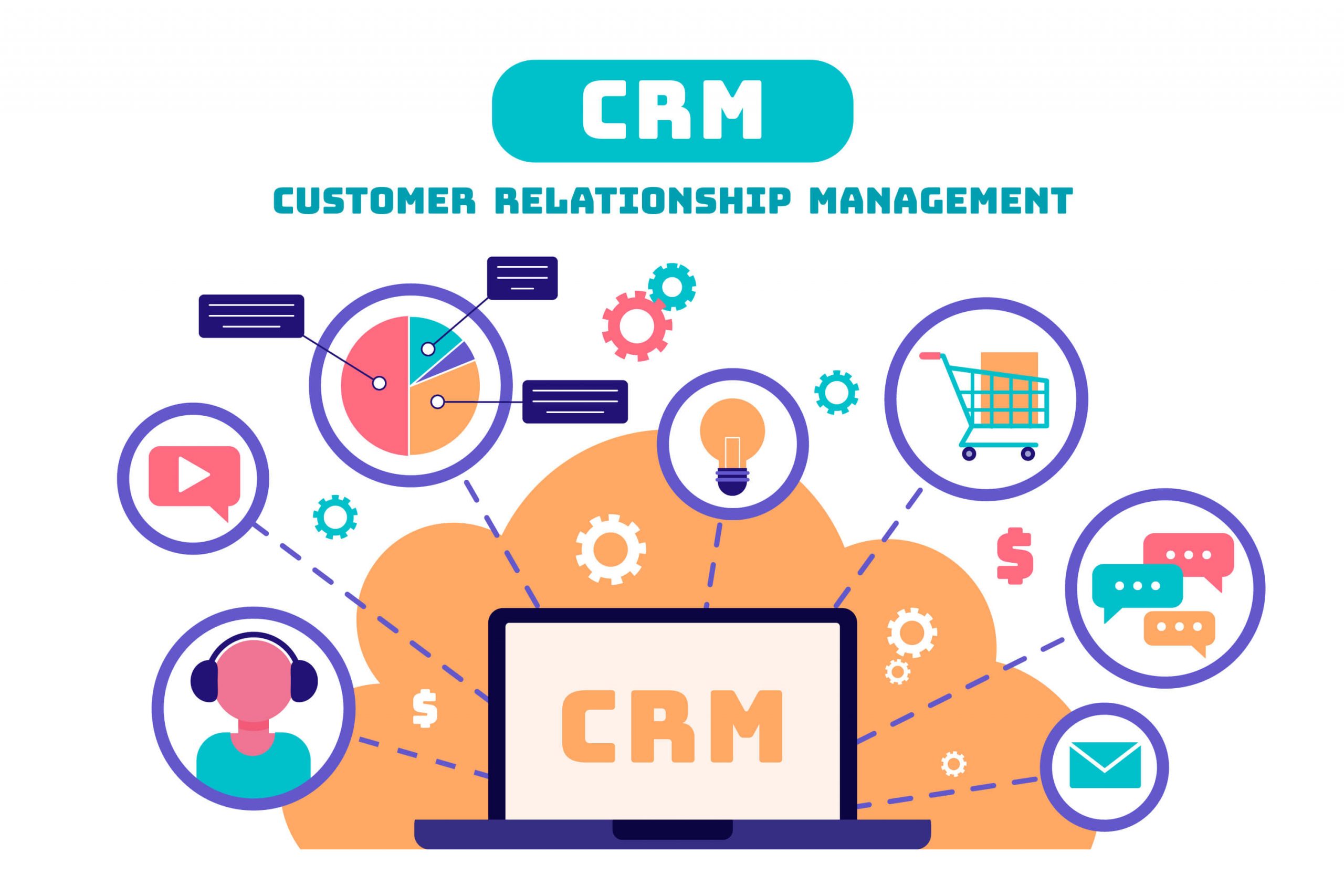
A field sales CRM is a customer relationship management system specifically designed or configured to support outside sales representatives who conduct face-to-face customer visits, manage territory routing, and coordinate with distributors in real time. Unlike traditional CRMs focused on inside sales pipelines, field sales CRMs prioritize mobility, offline functionality, and real-world logistics.
Essential Characteristics
Mobile-First Architecture: Field representatives require full CRM functionality on tablets and smartphones while moving between customer locations throughout the day.
Territory and Routing Capabilities: Integrated map views, GPS tracking, route optimization, and visit scheduling enable efficient territory coverage and reduced drive time.
Backend System Integration: Seamless connections to distributor inventory systems, ERP platforms, order capture tools, and payment processing ensure field reps access current data and can complete transactions on-site.
Real-Time Field Data Collection: Capabilities for capturing photos, detailed notes, customer visit records, and order status updates from any location provide immediate visibility into field activities.
Field-Specific Analytics: Dashboards and reports designed around metrics like representative performance, visit compliance rates, route efficiency, and merchandising effectiveness.
Key Differences from Traditional CRM
Standard CRM systems typically emphasize lead conversion, account management, and inside sales workflows. Field sales CRMs add critical dimensions including:
- Offline and online sync capabilities for areas with limited connectivity
- GPS-based check-in and location verification
- Route optimization algorithms
- Mobile forms for shelf audits and compliance checks
- Integration with field equipment like barcode scanners and mobile printers
For distribution brands and field sales teams, these differences translate directly into more customer face time, higher quality field data, and tighter alignment between field execution and sales strategy.
Why Field Sales CRM is Mission-Critical in 2025
Market Growth and Momentum
The CRM market showed significant concentration in 2024, with the United States dominating global adoption. The field sales software segment specifically is expanding rapidly as organizations recognize that generic CRM solutions cannot address the unique demands of outside sales operations.
Strategic Business Impact
Enhanced Visit Compliance and Execution: Field representatives often complete dozens of customer visits weekly across large territories. Without purpose-built CRM tools, tracking visit outcomes, order details, and merchandising conditions becomes administratively overwhelming and error-prone.
Real-Time Field Visibility: Modern field sales CRMs provide operations managers and sales leadership with immediate insight into ground-level activities including store check-ins, product placement status, and point-of-sale availability.
Accelerated Order Processing: Integration between field CRM and inventory, distributor, and order management systems enables representatives to capture orders, verify stock availability, and generate invoices during customer visits, eliminating lag time and reducing order errors.
Data-Driven Territory Management: Field analytics reveal patterns in representative performance, territory ROI, route efficiency, and merchandising effectiveness, enabling smarter resource allocation and strategic field operations decisions.
Sustainable Competitive Advantage: As brands and distributors face intensifying cost pressures, direct-to-retail competition, and omnichannel complexity, superior field execution becomes a key differentiator. A field sales CRM serves as the operational engine enabling that differentiation.
Quick Assessment
Start by identifying your highest-value field processes such as store visits, merchandising activities, order capture, and inventory verification. Evaluate how effectively your current CRM supports these specific workflows. Gaps in mobile functionality, offline capability, or field-specific features indicate the need for a dedicated field sales platform.
How to Select the Right Field Sales CRM
Step 1: Requirements Definition and Stakeholder Alignment
Begin by mapping your ideal field sales workflow from end to end: territory planning, visit scheduling, route optimization, customer visit execution, order capture, follow-up activities, and performance analytics.
Engage all relevant stakeholders early in the selection process. Field representatives, merchandisers, sales managers, operations teams, IT departments, and finance personnel each have unique requirements that must be captured and prioritized.

Define clear success metrics before evaluation begins. Examples include visit coverage percentage, orders captured in the field, time-to-invoice, representative productivity improvements, and administrative time reduction.
Step 2: Essential Field Sales Features
Mobile Platform Requirements:
- Native iOS and Android applications
- Full offline mode with automatic sync when connectivity returns
- Intuitive mobile interface requiring minimal training
- Fast load times and responsive performance in field conditions
Location and Routing Capabilities:
- GPS-based location tracking and visit verification
- Intelligent route optimization to maximize daily visits
- Visit scheduling with calendar integration
- Territory mapping and visualization
Transaction and Order Management:
- In-field order entry with product catalogs
- Real-time inventory visibility
- Invoice generation and payment capture
- Integration with distributor and ERP systems
Field Data Capture Tools:
- Custom mobile forms for various visit types
- Photo capture for shelf compliance and merchandising
- Digital signature collection
- Voice notes and detailed visit logging
Analytics and Reporting:
- Dashboards designed for field metrics
- Representative performance tracking
- Visit compliance monitoring
- Route efficiency analysis
- Customizable reports for different stakeholder needs
Technical Infrastructure:
- Cloud-based deployment for accessibility and scalability
- Robust security including data encryption and access controls
- Integration ecosystem supporting ERP, accounting, payment systems
- API availability for custom integrations
Step 3: Vendor Evaluation Criteria
Technology Architecture: Cloud-based solutions dominate modern CRM deployments due to lower infrastructure costs, automatic updates, and superior accessibility. Evaluate the vendor’s cloud infrastructure, uptime guarantees, and disaster recovery capabilities.
Usability and User Experience: Field representatives have limited tolerance for complex systems. The interface must be intuitive, fast, and designed specifically for mobile use. Request extensive demos focused on the field representative experience rather than administrative features.
Implementation Timeline: Understand the typical deployment timeframe including configuration, integration, data migration, testing, and training. Faster implementations reduce disruption and accelerate time-to-value.
Integration Readiness: Assess how easily the field sales CRM connects with your existing technology stack. Pre-built connectors for common ERP systems, accounting platforms, and payment processors significantly reduce implementation complexity and ongoing maintenance.
Customization Philosophy: Balance the need for flexibility with the desire for simplicity. Platforms offering extensive configuration options without requiring custom code generally provide the best combination of adaptability and maintainability.
Support and Training: Field teams often need mobile-first training approaches and ongoing support channels accessible from the field. Evaluate the vendor’s training methodology, documentation quality, and support responsiveness.
Total Cost Structure: Look beyond subscription fees to understand the complete cost including implementation services, training, data migration, customization, ongoing support, and upgrade paths. Hidden costs can significantly impact ROI.
Security and Compliance: Verify that the platform meets relevant security standards including data encryption in transit and at rest, role-based access controls, mobile device security, and compliance with industry regulations.
Step 4: Distribution and Wholesale-Specific Considerations
For distributors and brands operating in wholesale and CPG markets, additional evaluation criteria matter:
- Multi-distributor and multi-channel support
- Field-to-retailer order capture workflows
- Distributor inventory visibility for field representatives
- Merchandiser check-in capabilities
- Planogram compliance tools
- Visual shelf audit functionality
- Field data capture tailored to retail execution
- Photographic proof-of-execution reporting
Step 5: Validation and Reference Checking
Request detailed case studies from organizations similar in size, industry vertical (CPG, wholesale, distribution), and field use cases. Pay attention to implementation timelines, challenges encountered, and measurable outcomes achieved.
Ask vendors for specific performance metrics from customer deployments including productivity gains, representative time savings, sales increases, and adoption rates.
Conduct demos using your actual field workflows rather than generic scenarios. Replicate a typical day for one of your field representatives including territory planning, route execution, multiple customer visits, order capture, and end-of-day reporting.
Why Distribution Teams Choose SimplyDepo as Field Sales CRM
When evaluating field sales CRM platforms, it’s valuable to benchmark across features, usability, implementation speed, and integration capabilities. SimplyDepo has established itself as a leading choice for distribution and wholesale operations with several distinct advantages:
Superior User Experience: SimplyDepo’s interface is built specifically for field teams who need speed and simplicity. With a reported G2 rating of 4.7, the platform minimizes configuration complexity while maintaining powerful functionality. Field representatives can be productive within days rather than weeks.
Rapid Implementation: While many enterprise CRM platforms require months of configuration and customization, SimplyDepo enables deployment in days to weeks. This accelerated timeline reduces implementation costs and allows organizations to realize ROI faster.
Distribution-Focused Integration Ecosystem: SimplyDepo offers native integrations with critical business systems including QuickBooks for accounting, Stripe for payment processing, Zebra scanners for inventory management, and major ERP platforms. These pre-built connectors eliminate the custom integration work that delays many CRM projects.
Transparent Pricing for Distribution Teams: Unlike competitors who obscure pricing behind sales cycles and add-ons, SimplyDepo provides transparent “Core Plan” options designed specifically for distributors and brands. This pricing clarity helps organizations budget accurately and avoid surprise costs.
Built for B2B Distribution and CPG: While some field sales platforms focus on consumer field sales or general-purpose applications, SimplyDepo is purpose-built for B2B distribution workflows including distributor-to-retailer order capture, merchandiser check-ins, planogram compliance, and field data capture specific to wholesale operations.
Proven Results: Organizations using SimplyDepo have reported field sales productivity increases of 30 percent or more within three months of implementation, driven by streamlined mobile workflows, reduced administrative burden, and better field data quality.
Implementation Best Practices
Even exceptional field sales CRM platforms fail without proper implementation. Follow these phases to maximize success probability.
Phase 1: Preparation and Change Management
Secure executive sponsorship from sales and operations leadership to ensure organizational commitment and resource availability.
Develop a comprehensive communication plan for field teams explaining what is changing, why the change matters for their daily work, and how the new system will benefit them personally.
Invest time in data cleanup before implementation. Ensure customer lists, territory definitions, product catalogs, and inventory information are accurate and current.
Launch a pilot program with a small group of field representatives to refine processes, test mobile functionality in real field conditions, and gather feedback before full-scale rollout.
Phase 2: Configuration and Training
Configure the system workflow including mobile application setup, custom fields, forms tailored to specific visit types, and visit planning tools.
Load territory assignments and route data, ensuring field representatives can immediately access their customer lists and geographic assignments.
Complete integrations with backend systems including ERP platforms, order entry systems, inventory management, and payment processing.
Provide comprehensive training focused on mobile device usage, offline mode functionality, and common troubleshooting scenarios. Field representatives learn best through hands-on practice with their actual territories and customers.
Create quick reference guides optimized for mobile viewing and establish support channels accessible from the field.
Phase 3: Launch and Adoption Management
Execute the rollout to target user groups following a detailed implementation plan with clear milestones and success criteria.
Monitor adoption metrics continuously including login frequency, visits logged, orders captured, data completeness, and feature utilization.
Consider incentive programs to drive adoption such as recognition for representatives with highest visit coverage, fastest route completion, or most comprehensive data capture.
Establish feedback loops to collect user input and rapidly refine user interface elements or workflows causing friction.
Phase 4: Analytics and Continuous Improvement
Build executive dashboards tracking key metrics including visits completed, orders captured, revenue per representative, and route time efficiency.
Identify top-performing and underperforming representatives or territories, then drill down into root causes such as territory design, visit frequency, or execution quality.
Use insights to adjust territory boundaries, routing strategies, and visit cadence for optimal field coverage and efficiency.
Continuously optimize field execution by updating visit plans, adding new field forms as needs emerge, and improving data capture workflows based on usage patterns.
Maintain system health through regular activities like archiving historical data, reviewing territory alignment as markets change, and keeping mobile applications updated.
Early Win Strategy
Identify a “quick win” metric such as five percent reduction in administrative time for field representatives to demonstrate early ROI and reinforce adoption momentum. Platforms like SimplyDepo excel at delivering these early wins through intuitive interfaces that require minimal training, allowing field teams to experience productivity gains within the first week of deployment rather than waiting months for value realization.
Common Implementation Mistakes and How to Avoid Them
Selecting Generic CRM Platforms: Traditional CRMs typically lack the mobile optimization, routing capabilities, and field execution modules essential for outside sales success. Invest specifically in field sales CRM rather than attempting to retrofit general-purpose platforms.
Neglecting Data and Integration Readiness: Without clean, connected customer and inventory data, even the best CRM will underperform. Address data quality and integration requirements before launch rather than during implementation.
Insufficient Field Team Training: Mobile adoption depends directly on user comfort and speed. Field representatives will abandon systems they find confusing or slow. Invest appropriately in training and ongoing support.
Failing to Establish Adoption Metrics: Without clear analytics and KPIs, you cannot determine whether the CRM delivers value. Define and track adoption metrics from day one.
Excessive Upfront Customization: Heavy customization delays launch, adds complexity, and increases long-term maintenance burden. Configure first using out-of-box functionality, then customize selectively based on actual usage patterns.
Treating Implementation as IT-Only Project: Field sales CRM success requires change management addressing people and processes as much as technology. Include field operations, sales management, and end users throughout the project.
Real-World Success Stories

Distribution Case Study
A mid-sized distributor replaced spreadsheet-based visit logs and paper order forms with SimplyDepo’s field sales CRM platform. Within 90 days, the field team increased logged visits by 40 percent, reduced order entry time by 25 percent, and improved on-time delivery rates by 18 percent through better field data quality and real-time order transmission. The distributor attributed these gains to SimplyDepo’s intuitive mobile interface and seamless integration with their existing inventory management system.
Brand Case Study
A CPG brand equipped its merchandising team with SimplyDepo’s mobile CRM capabilities for capturing photographic proof of execution, compliance data, and instant reorder triggers. The brand achieved a 22 percent increase in SKU-level shelf presence and a 17 percent lift in average order size as merchandisers identified and addressed out-of-stock situations during store visits. Brand leadership noted that SimplyDepo’s rapid deployment—completed in just three weeks—allowed them to capture peak selling season opportunities that would have been missed with a longer implementation timeline.
These examples demonstrate how properly implemented field sales CRM, particularly platforms designed specifically for distribution like SimplyDepo, directly impacts operational metrics and revenue performance in wholesale environments.
Emerging Trends in Field Sales CRM
Artificial Intelligence and Predictive Analytics: CRM systems increasingly leverage AI to prioritize daily visits, suggest cross-sell and upsell opportunities, predict customer churn risk, and optimize territory design based on historical patterns.
Enhanced Offline Capabilities: As field representatives work in areas with limited or no connectivity, platforms are improving offline functionality and intelligent synchronization when connectivity returns.
Unified Multi-Channel Field Views: Field teams increasingly need integrated visibility across in-person visits, e-commerce interactions, distributor data, and in-store analytics in a single interface.
Dynamic Route Optimization: Advanced platforms use real-time GPS data, traffic conditions, appointment changes, and workload balancing to continuously optimize daily routes and maximize productive visits.
Deeper Back-Office Integration: The trend toward seamless synchronization between CRM, ERP, inventory management, payment systems, and analytics platforms ensures a single source of truth across the organization.
Frequently Asked Questions
What distinguishes a field sales CRM from a standard CRM?
Field sales CRMs are specifically engineered for outside sales teams with mobile-first design, offline functionality, route optimization, visit scheduling, GPS tracking, and real-time field data capture in addition to traditional CRM functions like contact management and pipeline tracking.
How long does field sales CRM implementation typically take?
Implementation timelines vary based on organizational scale, integration complexity, and customization requirements. With a focused rollout approach using pilot testing and phased deployment, organizations can move from selection to initial deployment in four to eight weeks, with full rollout typically completed within three to six months.
What metrics should organizations track after launch?
Key performance indicators include visit coverage percentage showing stores visited as planned, orders captured directly in the field, time spent per representative on administrative tasks versus selling activities, average order size, route efficiency measured as visits per day or per mile, and adoption rate reflected in mobile application usage and data entry completeness.
How critical is integration with other systems?
Integration is essential for field sales CRM success. The platform must connect with ERP systems, distributor platforms, inventory management, order processing, and accounting or payment workflows. Without proper integration, organizations face data silos, manual data entry, and inability to complete transactions in the field.
Do field teams need both mobile and desktop access?
Both access modes serve important purposes. Field representatives require robust mobile access for customer visits, GPS tracking, and real-time data capture. Managers and analytics users need desktop or portal access for reviewing dashboards, planning routes, analyzing performance, and generating reports. Select a solution supporting both access patterns.
How can organizations ensure field representative adoption?
Adoption depends on demonstrating clear value to field representatives through time savings, reduced administrative burden, and easier customer interactions. Provide thorough mobile-focused training, establish accessible support channels, gather and act on user feedback, and consider recognition or incentive programs for early adopters and power users.
What security considerations matter for field sales CRM?
Mobile field sales introduces unique security challenges including device loss or theft, connection to unsecured networks, and access to sensitive customer and business data outside the office. Essential security features include data encryption in transit and at rest, remote device wipe capabilities, role-based access controls, multi-factor authentication, and regular security updates.
Conclusion
Selecting and implementing the right field sales CRM represents a strategic investment in competitive advantage for distributors, brands, and outside sales organizations. The platform you choose and how effectively you deploy it directly impact field productivity, data quality, customer satisfaction, and revenue growth.
Success requires balancing multiple priorities: mobile usability for field representatives, powerful analytics for management, seamless integration with existing systems, rapid implementation timelines, and reasonable total cost of ownership.
Organizations that approach field sales CRM selection methodically, engage stakeholders throughout the process, prioritize field user experience, and invest in change management alongside technology will realize substantial returns through increased visit productivity, improved data quality, faster order processing, and superior field execution.
For distribution and wholesale organizations specifically, platforms like SimplyDepo that understand the unique workflows of B2B field sales—from distributor-to-retailer order capture to merchandiser compliance checks—offer the fastest path to measurable results. With native integrations tailored to distribution operations, transparent pricing, and implementation timelines measured in weeks rather than months, SimplyDepo enables organizations to modernize field operations without the complexity and extended deployments associated with enterprise-grade alternatives.
As the field sales technology landscape continues advancing with AI-powered insights, enhanced offline capabilities, and deeper system integration, the organizations positioning themselves with modern field sales CRM platforms today will be best equipped to capitalize on future innovations while maintaining sustainable competitive advantage in their markets.
Ready to transform your field sales operations? Explore how SimplyDepo’s distribution-focused field sales CRM can increase productivity, improve data quality, and accelerate your path to ROI. Visit SimplyDepo to see platform demos, customer success stories, and implementation case studies tailored to wholesale and CPG teams.