
Running a small or medium-sized business has never been more tool-rich. There’s software for almost every problem you can think of, and new options appear faster than most business owners have time to evaluate them.
But here’s the reality: most businesses aren’t drowning in a lack of options. They’re drowning in too many, and struggling to identify which ones actually move the needle versus which ones just add complexity to an already busy operation.
The tools worth focusing on are the ones that save real time, reduce friction for customers, and deliver a measurable return without requiring a dedicated team to manage them. This article covers two specific categories that are consistently underutilized by small businesses, and explains exactly why they’re worth your attention.
Why the Right Tools Make a Disproportionate Difference
There’s a reason some businesses seem to operate smoothly at scale while others hit walls at every growth stage. It’s rarely about the product or service itself. More often, it’s about the systems and tools sitting underneath the operation.
Customer experience is shaped by dozens of micro-interactions: how quickly someone can find an answer on your website, how easy it is to access your menu or service list, how seamlessly your team can pull up relevant information mid-conversation. Each of these moments is an opportunity to impress or to frustrate.
The businesses that get this right have usually made deliberate choices about their technology stack. They’ve picked tools that solve real friction points rather than tools that look impressive in a demo. That distinction matters more than most people realize when they’re evaluating software.
The Problem With How Most Businesses Handle Information Retrieval
Here’s a scenario that plays out constantly in businesses of all sizes. A customer sends a message asking a specific question. Someone on the team spends five minutes searching through a knowledge base, a shared drive, or a long email thread trying to find the answer. Meanwhile the customer is waiting, and the experience suffers.
The same thing happens on the customer-facing side. Someone lands on your website looking for a specific piece of information, can’t find it quickly, and leaves. That’s a lost opportunity that never shows up in your analytics as a lost opportunity. It just quietly disappears.

Search functionality, both internal and customer-facing, is one of the most under-optimized areas in most small business operations. Traditional keyword-based search is limited. It finds documents that contain the exact words someone typed, but it can’t interpret intent, understand context, or surface the most relevant answer when the question is phrased differently than the content.
This is where AI-powered search has become genuinely transformative. Unlike conventional search tools, AI powered search software understands the meaning behind a query rather than just matching keywords. It can pull relevant answers from across a knowledge base, a website, or a document library in seconds, and present them in a way that’s immediately useful. For businesses that deal with frequent customer inquiries or that have large amounts of internal documentation, the time savings compound quickly.
Bridging the Gap Between Online and Offline
While digital tools are transforming the way businesses manage information, there’s an equally important challenge on the customer-facing side: connecting your physical presence with your digital content.
Think about the touchpoints where your customers interact with your business in the real world. A shopfront. A product package. A menu. A receipt. A business card. A banner at an event. Each of these is a moment where a customer might want to take action or access more information, but the barrier of typing in a URL or searching for your business manually means most of them don’t.
QR codes solve this problem elegantly. A single scannable code can bridge any physical surface directly to a digital destination: a product page, a booking form, a menu, a review platform, a promotional offer, or a how-to guide. The friction between noticing something and acting on it drops to almost zero.
The adoption of QR codes accelerated significantly during the pandemic as contactless options became necessary, and the behavior has stuck. Consumers are now comfortable scanning codes in a way they weren’t five years ago, which means the opportunity to use them effectively is genuinely there for businesses willing to implement them thoughtfully.
The good news is that getting started doesn’t require significant investment. A Free QR Code generator lets you create custom, scannable codes in minutes without any technical knowledge, and link them to any URL you choose. For businesses experimenting with QR codes for the first time, this kind of accessible tool makes it easy to test the approach before committing to a paid platform.
Where QR Codes Are Delivering Real Value Right Now
The range of practical applications for QR codes in a business context is broader than most people initially think.
Restaurants and cafes have been the most visible adopters, using codes to replace physical menus and update pricing or availability in real time without reprinting anything. But the applications extend well beyond hospitality.
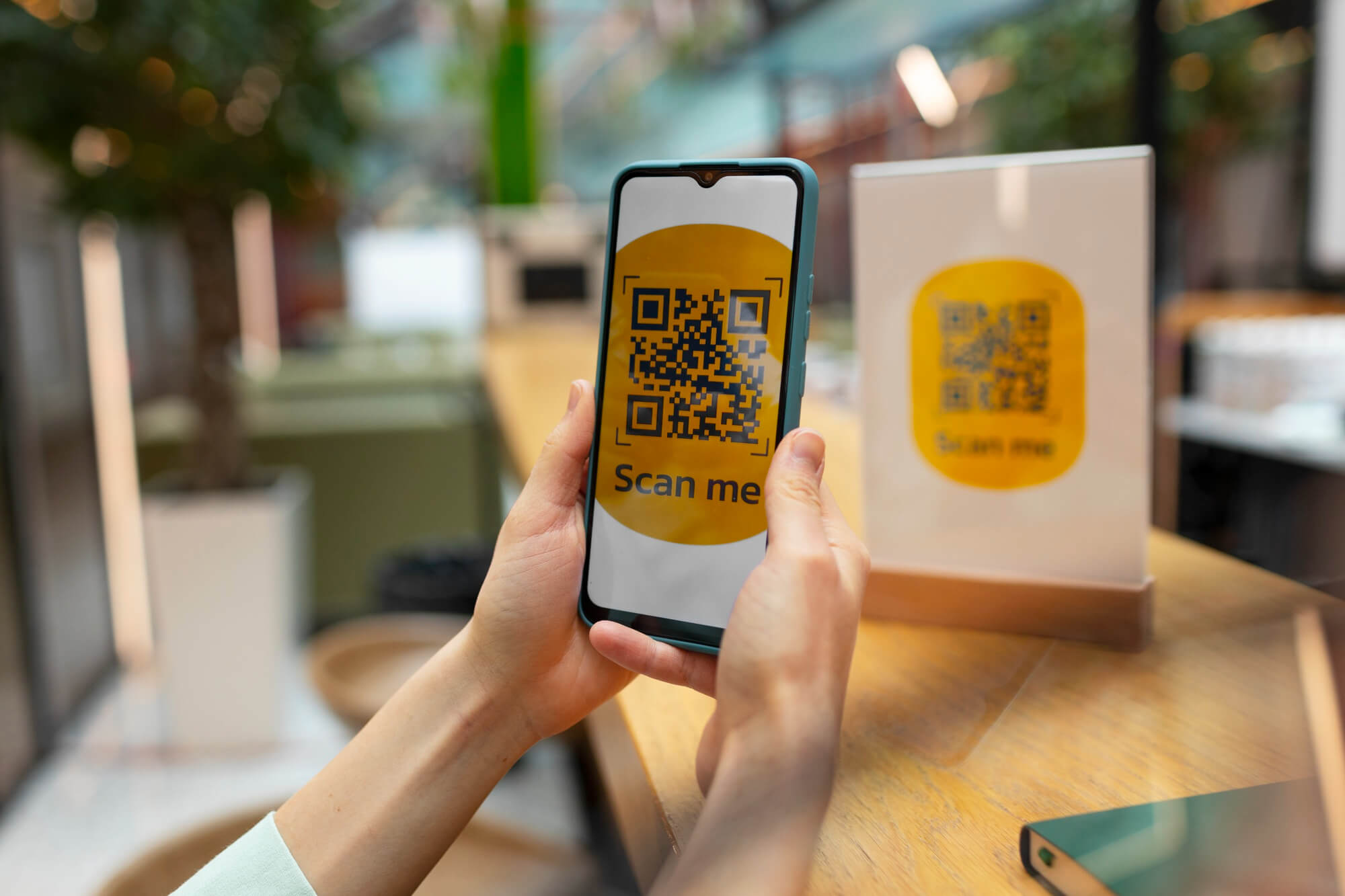
Retailers are using QR codes on product packaging to link customers to detailed specifications, care instructions, or companion product recommendations that wouldn’t fit on the label. Service businesses are placing codes on invoices and receipts that direct customers directly to a review page or a satisfaction survey. Event organizers are using them for seamless check-in, resource access, and post-event follow-up.
The common thread is friction reduction. Anywhere a customer might want to take a next step but finds the path unclear or effortful, a well-placed QR code closes that gap.
Building a Smarter Customer Experience Layer by Layer
The tools covered in this article address different parts of the customer experience, but they work toward the same underlying goal: making it easier for people to get what they need from your business quickly and with minimal effort.
AI-powered search improves the experience of anyone trying to find information, whether that’s a customer navigating your website or a team member pulling up documentation mid-call. QR codes improve the experience of anyone encountering your brand in a physical context and wanting to take action.
Together, they represent a shift in how businesses can think about accessibility. Not accessibility in the technical sense, but in the broader sense: how accessible is your information, your booking process, your product catalog, and your contact options to someone who wants them right now?
The businesses that answer that question well, across both digital and physical touchpoints, tend to retain customers more effectively and generate more word-of-mouth than those that make people work for it.
You can also explore checklist and workflow tools to see how structured processes complement the kind of seamless customer experience these tools help build.
The Bottom Line
You don’t need to overhaul your entire technology stack to make meaningful improvements to how your business operates. Often, the highest-impact changes come from identifying a specific friction point and finding the right tool to address it.
If your team or your customers are spending more time than they should searching for information, AI-powered search is worth exploring. If you have physical touchpoints that aren’t connecting effectively to your digital presence, QR codes are one of the simplest and most cost-effective fixes available.
Start with the problem, find the right tool, implement it properly, and measure what changes. That’s a more reliable path to improvement than chasing every new piece of software that promises to transform your business.
The businesses winning right now aren’t necessarily using the most tools. They’re using the right ones well.